
How AI is Transforming Structural BIM Coordination in 2026
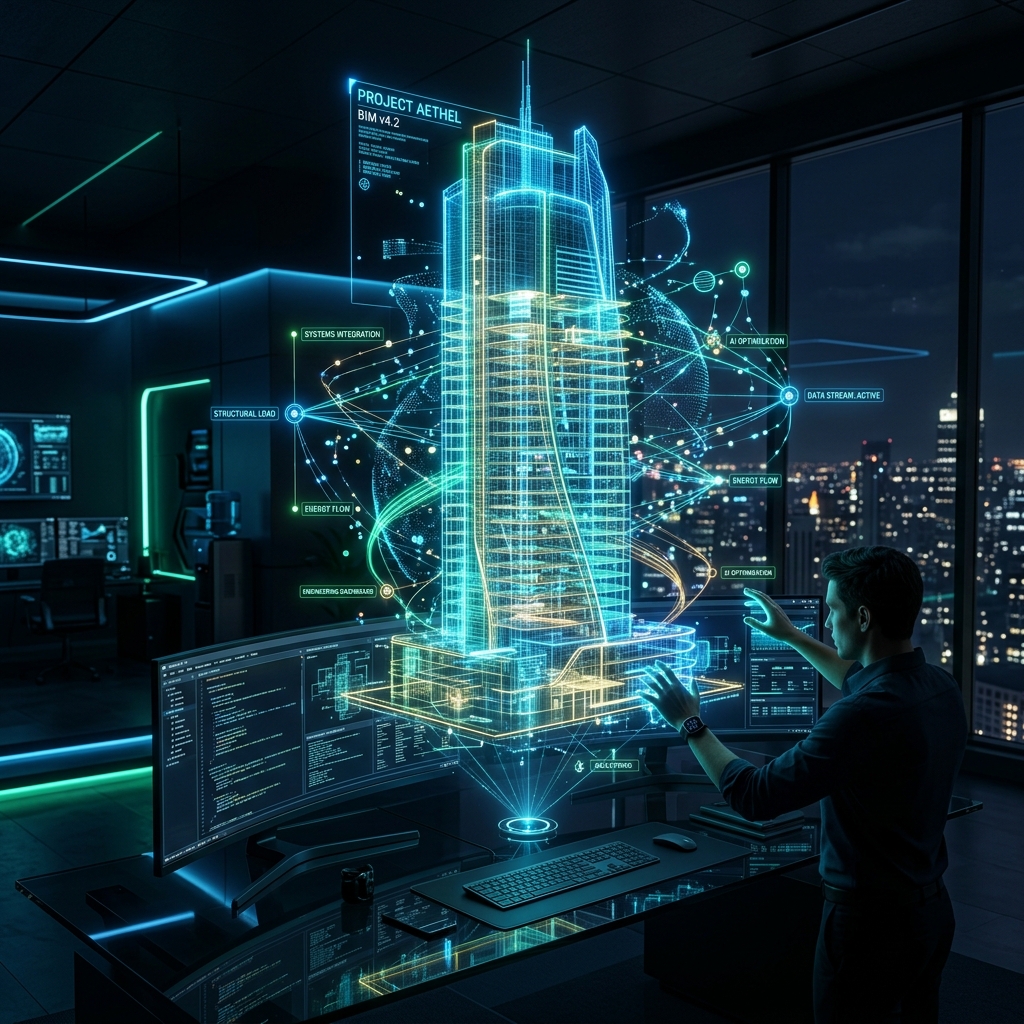
Executive Summary & Key Takeaways
- AI is shifting BIM coordination from a manual clash-detection process to a proactive, predictive workflow.
- Automated Clash Resolution: AI algorithms can now propose rerouting options for MEP systems encountering structural elements.
- Data-Driven Insights: Machine learning models analyze past project data to predict and prevent design bottlenecks before they occur.
- Seamless Integration: AI bridges the gap between structural engineering, architectural design, and fabrication.
What is AI-Driven BIM Coordination?
Direct Answer: AI-driven BIM coordination involves using artificial intelligence and machine learning algorithms to automate clash detection, optimize building layouts, and streamline communication between different engineering disciplines (Structural, Architectural, and MEP) within a 3D Building Information Model.
Traditionally, BIM coordination required hours of manual review to identify and resolve clashes—where a duct might intersect a structural beam, for instance. Today, AI is completely rewriting the rules of engagement in structural coordination.
1. Predictive Clash Detection
Rather than just identifying clashes after the fact, advanced AI tools now predict potential conflicts during the design phase. By analyzing vast datasets from previous construction projects, the AI can alert engineers that a proposed structural layout has a high probability of interfering with standard HVAC routing.
2. Automated Resolution Proposals
When a hard clash is detected between a structural column and electrical conduit, the AI doesn't just flag it—it offers solutions. Utilizing generative design principles, the software can automatically calculate multiple rerouting paths, presenting the most cost-effective and structurally sound options to the engineering team for approval.
3. Enhanced Collaboration & Productivity
AI acts as an intelligent assistant within the BIM environment (such as Revit or Navisworks). It can automatically assign resolution tasks to the appropriate team members based on the type of clash, track the resolution progress, and update the central model in real-time, drastically reducing the time spent in weekly coordination meetings.
The Future with Renechip
At Renechip, we are pioneering the integration of AI in structural engineering and BIM coordination. By leveraging these advanced technologies alongside our expert engineering staff, we deliver clash-free, highly optimized models that accelerate construction timelines and significantly reduce on-site rework costs.
Got a Mechanical Design Challenge? Let's Solve It Together!
Let ReneChip support your outsourcing, stocking, and supply chain needs with a practical and responsive approach.
Talk to Our TeamFrequently Asked Questions
What is an AI-powered Rebar BBS?
It uses artificial intelligence to automatically generate Bar Bending Schedules from 3D structural models, minimizing human error and saving time.
Why is it important for GCC projects?
GCC mega-projects have tight schedules and massive material requirements. AI optimization reduces rebar wastage and accelerates project timelines.
Does it replace traditional Rebar Detailing?
It doesn't replace detailers but gives them a powerful tool to generate accurate BBS instantly from shop drawings.
Ready to Scale Your Engineering Team with Elite CAD Talent?
Hire pre-vetted remote CAD designers and engineers from India to reduce costs by 40-60% while maintaining absolute quality.
Hire Remote CAD Designers